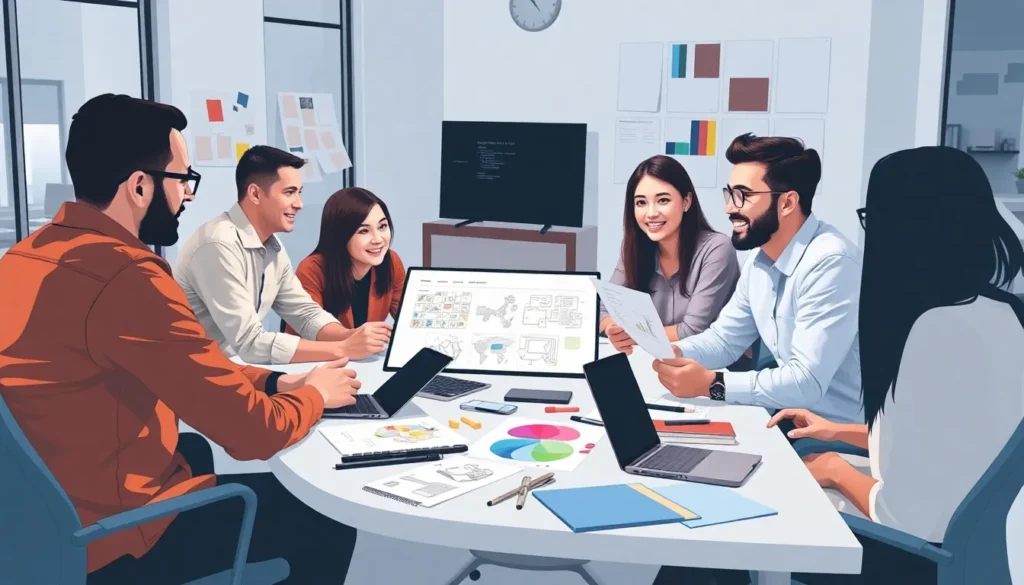
In the digital age, a website is often the first impression a business makes. It’s like the front door to a charming café; if it looks shabby, folks might just walk on by. Understanding website design concepts is crucial for creating an inviting online space that keeps visitors clicking and exploring.
Understanding Website Design Concepts
Website design concepts play a critical role in shaping user experience and engagement. Navigation serves as the backbone of site structure, allowing users to find information quickly. Clear visual hierarchy guides visitors’ attention to important content, such as calls to action or key services.
Responsive design ensures that websites function seamlessly across various devices, enhancing accessibility. Typography impacts readability and overall aesthetic; selecting appropriate font styles fosters a cohesive brand identity. Color schemes should evoke the desired emotions; strategic use of colors enhances user retention.
White space improves layout clarity by reducing visual clutter, allowing content to breathe. Consistency in design elements, such as buttons and icons, creates a familiar environment for users, encouraging them to explore further.
User-centered design principles prioritize visitors’ needs throughout the development process, resulting in more effective websites. Testing and iterating design concepts based on user feedback ensures continuous improvement.
Incorporating multimedia elements, such as images and videos, enriches the content experience, making it more engaging. Lastly, optimizing loading speed directly affects user satisfaction, as faster websites attract and retain more visitors. Understanding these core concepts enables designers to craft effective online environments conducive to exploration and interaction.
Key Principles of Effective Design
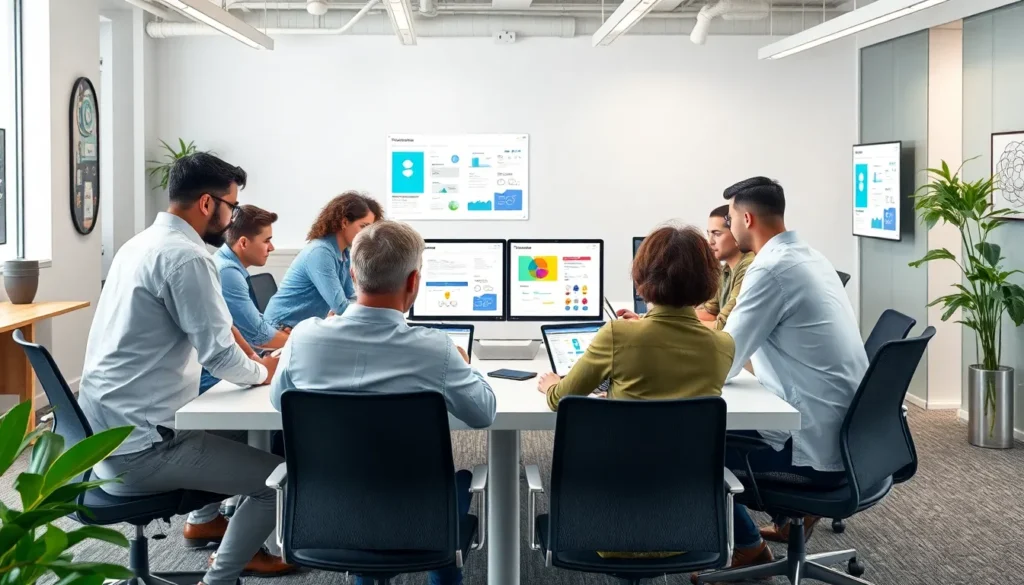
Effective design hinges on several core principles that enhance user experience. Understanding these principles is essential for creating engaging websites.
Visual Hierarchy
Visual hierarchy functions as a roadmap, directing user attention to the most important elements on a webpage. Designers achieve this by manipulating size, color, and placement of content blocks. Larger headings often indicate significant topics, while contrasting colors highlight call-to-action buttons. These strategies help visitors process information quickly. Use of images alongside text can also enhance the understanding of concepts. Organizing content in a way that flows naturally guides users through the site. Prioritizing key information by employing various design techniques makes navigation intuitive and facilitates an enjoyable browsing experience.
Consistency in Design
Consistency in design fosters a sense of familiarity and trust among users. Maintaining uniformity in colors, fonts, and layout across pages creates a cohesive brand identity. Users recognize and feel comfortable with visual elements that remain constant. This approach reduces cognitive load, allowing for smoother interactions. For instance, using the same button style across a website reinforces actions, such as signing up or making a purchase. Regular patterns within design assist users in predicting outcomes. Adopting a consistent style throughout enhances both aesthetics and functionality, ultimately improving usability and satisfaction.
Types of Website Design Concepts
Website design encompasses various concepts that shape how users interact with digital content. Understanding these concepts improves user experience and enhances engagement.
Responsive Design
Responsive design ensures a seamless viewing experience across devices. By employing flexible grids and images, it adjusts to different screen sizes. This adaptability is crucial as more users access websites on smartphones and tablets. A responsive layout enhances usability, leading to lower bounce rates. Google prioritizes mobile-friendly websites in search rankings. Effective responsive design maintains functionality without compromising aesthetics.
Minimalist Design
Minimalist design emphasizes simplicity and clarity. This approach uses fewer elements to create a clean, focused interface. By prioritizing essential content, it reduces distractions for users. White space plays a vital role, enhancing readability and creating a sense of spaciousness. Minimalist websites load faster, providing a better user experience. Engaging users becomes easier when the design remains straightforward, encouraging exploration rather than overwhelm.
Tools and Resources for Website Design
Designers utilize various tools and resources to enhance website development and execution. Popular wireframing tools like Sketch and Figma enable quick layout drafts while promoting collaboration among team members. Prototyping software such as InVision provides interactive mockups, allowing users to experience website functionality before final production.
Color selection resources like Adobe Color assist designers in choosing harmonious color palettes, aiding emotional impact. Typography tools such as Google Fonts enable access to a wide array of typefaces, ensuring readability and aesthetic appeal across different sites.
Photographic resources, including Unsplash and Pexels, offer high-quality images that improve visual engagement. Graphic design software like Adobe Illustrator allows designers to create custom graphics, logos, and icons that elevate branding.
Web development environments like WordPress and Wix simplify the site-building process with templates and customizable features, catering to those with limited coding knowledge. Content management systems streamline the process of updating and organizing site information efficiently.
Performance analysis tools, such as Google Analytics and GTmetrix, help identify user behavior and loading times. This data provides insights for adjustments that improve user experience. Accessibility resources, including the WAVE tool, determine compliance with web standards, ensuring inclusivity for all users.
Collaboration platforms such as Slack facilitate communication among team members, ensuring everyone stays aligned during the design process. Online communities and forums, such as Reddit and Stack Overflow, serve as valuable resources for troubleshooting and gaining design advice.
Incorporating these tools and resources into the website design workflow leads to improved efficiency and effectiveness in achieving desired user experiences.
Website design is a crucial element in creating an engaging online presence. By understanding and applying key design concepts, designers can significantly enhance user experience and foster interaction. Prioritizing navigation, visual hierarchy, and responsive design ensures that visitors can easily explore content across all devices.
Incorporating tools and resources effectively streamlines the design process, allowing for the creation of visually appealing and functional websites. As digital landscapes continue to evolve, staying updated on design trends and principles will empower designers to meet user needs and expectations. A well-crafted website not only attracts visitors but also encourages them to return, making effective design an invaluable investment for any online venture.