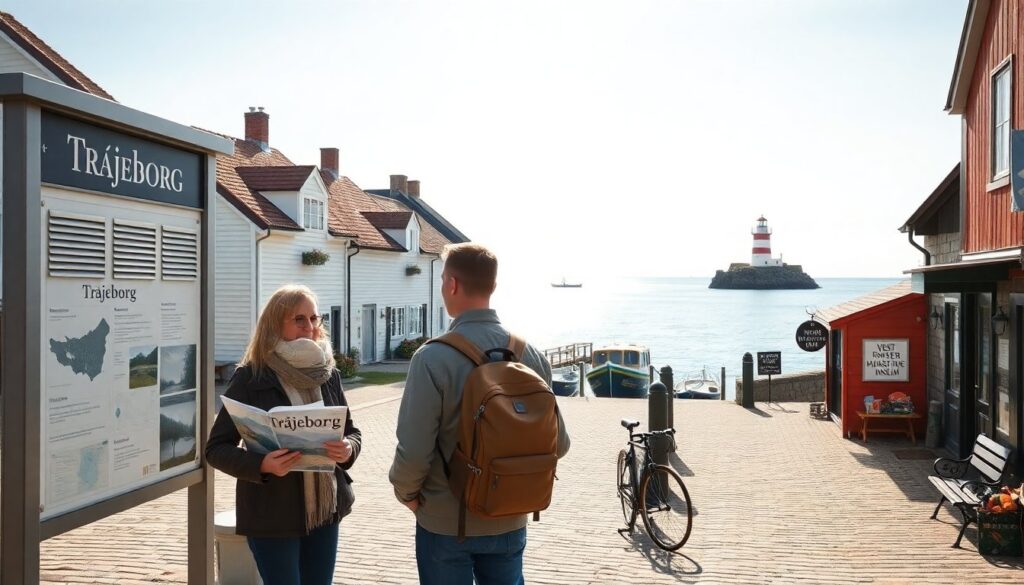
Träjeborg sits on Sweden’s west coast and attracts travelers who want quiet coastal charm. This guide describes Träjeborg’s history, practical travel tips, main sights, and food and lodging options. It gives clear steps for planning a visit. It keeps advice direct and useful for first-time visitors and returning guests.
Table of Contents
ToggleKey Takeaways
- Träjeborg, a quiet coastal village on Sweden’s west coast, offers visitors charming wooden homes, a modest harbor, and a peaceful atmosphere ideal for photography and birdwatching.
- Travelers can reach Träjeborg by car or regional bus from Gothenburg, with easy walking access to the compact village center and practical amenities like card-friendly shops and basic medical services nearby.
- Top attractions include a small maritime museum, local art studios, sea kayaking, bird walks, and seasonal boat tours to nearby islands and seal colonies.
- Coastal trails provide easy hikes with scenic views, tide pools, and abundant birdlife, making Träjeborg perfect for family-friendly beach visits and wildlife enthusiasts.
- Dining features fresh local seafood like herring and mussels, with a selection of cafes, a seafood bistro, and markets offering smoked fish; accommodations range from guesthouses to campgrounds.
- Seasonal festivals such as midsummer music events and autumn seafood fairs enrich the Träjeborg experience, with quieter visits recommended for late May or mid-September to avoid crowds.
Overview: History, Character, And Why Visit Träjeborg
Träjeborg began as a small fishing hamlet in the 18th century and grew slowly around a sheltered bay. The town kept many wooden homes and narrow lanes. It developed a modest harbor and a local boatbuilding tradition. Visitors find Träjeborg quiet streets, painted cottages, and sea views. The village draws photographers, bird watchers, and families who prefer low-key destinations. Träjeborg offers a slower pace than larger Swedish coastal towns. It shows regional culture through simple museums, local markets, and seasonal fish stalls. The town feels lived-in and accessible for short stays and day trips.
Getting There, Orientation, And Practical Visitor Information
Träjeborg lies about 120 km north of Gothenburg by road. Travelers can drive, take a regional bus, or use a taxi from the nearest train station. The village center is compact and easy to walk. Visitors should plan for narrow roads and limited parking near the harbor. Local stores accept cards and cash, but cards are preferred. Peak season runs July to August and brings more crowds and higher prices. Off-season offers lower rates and quieter beaches. The local tourist office posts maps and current ferry schedules. Träjeborg has basic medical services in the nearby town and a pharmacy within 20 minutes by car.
Top Sights And Activities In Träjeborg
Träjeborg offers several simple but rewarding attractions within walking distance. Visitors can stroll the harbor, browse a small maritime museum, and watch local fishermen mend nets. The village hosts art studios and craft shops that show regional work. For active visitors, the area offers sea kayaking, boat rentals, and guided bird walks. Träjeborg’s shoreline features rock ledges and sandy coves that suit families and photographers. Seasonal boat tours run to nearby islands and seal colonies. The town organizes market days with local produce and smoked fish. Visitors do best when they check schedules and book key activities in advance.
Coastal Walks, Beaches, And Wildlife Viewing
Trails follow the coastline and run between cliffs, beaches, and pine stands. Walks are short and easy, with clear markers and benches. The main beach has fine sand and shallow water for children. Rocky points offer tide pools and views of passing fishing boats. Birdlife includes gulls, terns, and seasonal waders. In spring and autumn, migrants pass through and attract birdwatchers. Seal sightings occur from boat tours and distant headlands. Walkers should wear sturdy shoes and bring a windproof layer. Paths remain open year-round, but storms can cause temporary closures along exposed sections.
Historic Sites, Museums, And Local Landmarks
The small maritime museum displays fishing tools, old charts, and photos. A restored boathouse shows traditional boat construction. The village church dates to the 19th century and offers simple wooden interiors and grave markers that tell local family stories. Scattered plaques commemorate shipwrecks and notable captains. A lighthouse on a nearby point operates as a day-visit site and photo spot. Local guides give short walking tours that point out architectural details and community history. Most landmarks sit within a 20-minute walk of the harbor. Visitors should check opening hours, which vary by season.
Food, Places To Stay, And Seasonal Events
Träjeborg has a handful of cafes, a seafood bistro, and a seasonal market stall that sells smoked fish. Local chefs use fresh herring, mussels, and seasonal vegetables. A bakery opens daily and serves simple sandwiches and pastries. Accommodation options range from small guesthouses and seaside cottages to a modest inn near the harbor. Campgrounds and private rentals suit budget travelers. Booking in summer is important. Prices fall in spring and autumn. Local hosts often help arrange fishing trips and bike rentals. Träjeborg keeps a calm, local feel across food and lodging choices.
Seasonal Festivals And Cultural Highlights To Time Your Visit
Träjeborg holds a midsummer festival with music, dancing, and food stalls in June. The event highlights local music and simple folk traditions. An autumn seafood fair in September focuses on smoked fish and shellfish tasting. Winter offers low-key events like a craft weekend and light displays around the harbor. Spring brings a small market that showcases plants and local preserves. Visitors who time a trip for a festival will find more activity and local vendors. Those who prefer quiet should aim for late May or mid-September when weather remains mild and crowds thin.