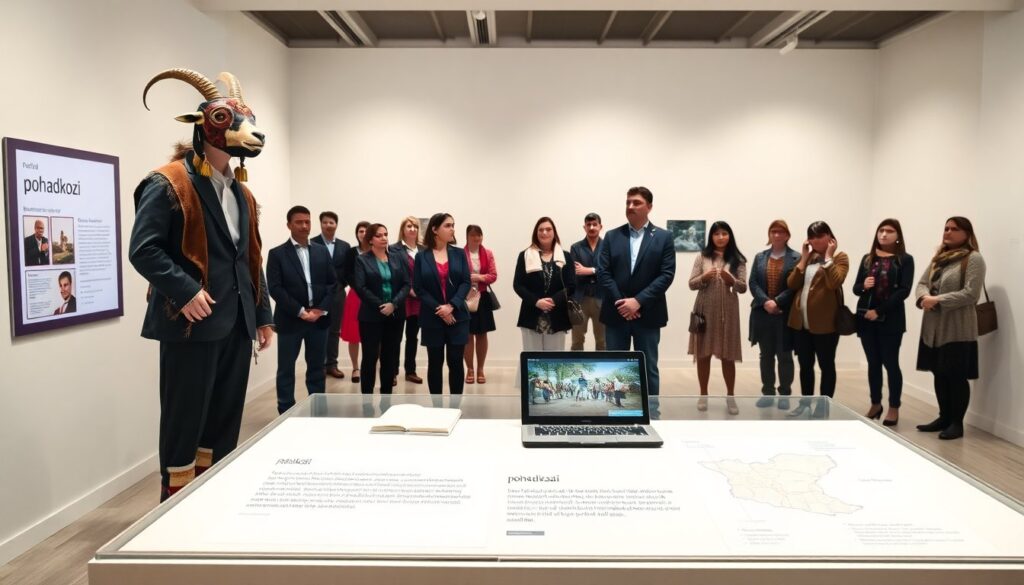
pohadkozě is a folk figure from Czech tradition. It represents a goat spirit in village stories. It appears in songs, plays, and seasonal rites. Scholars study its themes of mischief, protection, and community. This guide states clear facts and gives practical context. It helps readers learn where pohadkozě appears and why it matters.
Table of Contents
ToggleKey Takeaways
- Pohadkozě is a Czech folk figure symbolizing a goat spirit known for its roles in mischief, protection, and community traditions.
- The figure appears in various forms across regions, linked to seasonal rites, farming, and moral lessons for village life.
- Pohadkozě stories teach values like honesty and kindness while reflecting local husbandry and social rules.
- Today, pohadkozě remains relevant through festivals, museums, and cultural workshops that celebrate its heritage.
- Visitors should respect local customs when experiencing pohadkozě events to honor its cultural significance.
- Modern artists and scholars continue to preserve and adapt pohadkozě, helping it thrive beyond its traditional origins.
What Is Pohadkozě? Definition, Meaning, And Core Themes
Pohadkozě is a named figure in Czech folk tales. It acts as a goat spirit in many stories. It often plays the role of trickster and helper. It appears in tales told to children and in local dramatic plays. Scholars classify pohadkozě as part animal, part spirit. It ties to household life, livestock care, and seasonal change.
Folklorists note core themes in pohadkozě stories. The tales show tests of honesty and reward for kindness. The tales show punishment for greed and carelessness. The figure moves between farm and forest in the stories. The figure brings both trouble and aid to villagers. The stories teach social rules and farming wisdom.
Pohadkozě appears in several story types. The figure appears in cautionary tales about children and animals. It appears in gift-bringing tales for householders. It also appears in comic scenes that play at market days. The repeated image of the goat links the stories to local husbandry practices. The goat image also links pohadkozě to annual cycles of birth and renewal.
Researchers translate pohadkozě into English as “fairy-goat” or “folk goat.” The translation clarifies the mixed nature of the figure. The name combines local dialect words for tale and goat. The local names vary by village and region. The variation reflects different local uses of the figure in song and ritual. Pohadkozě hence stands as a flexible symbol in Czech folklore.
Origins And Cultural Context: History, Regional Variations, And Symbolism
Historians trace pohadkozě to rural Czech communities of the 18th and 19th centuries. They find mentions of goat-figures in parish records and in traveller accounts. They connect the figure to older Indo-European goat symbolism. The figure likely entered Czech tales through village theatre and seasonal rites.
Regional variation shapes pohadkozě forms. In Moravia, the figure often wears a decorated hide and bells. In Bohemia, the figure may wear a painted mask and carry a staff. In Silesia, the figure sometimes appears in household blessing rites. These local variations show how communities adapted the figure to local customs and beliefs. The core goat image stays visible across regions.
Symbolism in pohadkozě stories remains practical and social. The goat image signals fertility, energy, and stubbornness. The figure links to herding tasks and to winter and spring transitions. The figure also serves as a moral figure for village youth. Songs that mention pohadkozě often praise labor and warn against laziness.
Folklore collectors recorded many pohadkozě variants in the 19th and 20th centuries. Field notes, songbooks, and early audio recordings preserve local texts. Modern scholars use those sources to map how pohadkozě changed over time. They show how national revival movements and later state cultural projects influenced which versions survived. Pohadkozě hence reflects both deep village practice and later cultural selection.
Modern Relevance And Where To Experience Pohadkozě Today (Festivals, Museums, And Practical Tips)
Communities keep pohadkozě alive through festivals and theatre. Folk groups stage pohadkozě plays at harvest fairs and winter celebrations. Museums display costumes, masks, and recordings that relate to pohadkozě. Cultural centers run workshops that teach puppet making and song for pohadkozě scenes.
Visitors can see pohadkozě at regional events. The Moravian Autumn festival often features goat-costume processions that include pohadkozě scenes. Smaller village fairs in southern Bohemia stage short plays that include pohadkozě roles. Ethnographic museums in Prague and Brno show artifacts and play recorded chants that mention pohadkozě. Visitors should check event listings and museum calendars before travel.
Practical tips help visitors engage respectfully. Visitors should ask permission before photographing performers in costume. They should offer support to local groups by buying programs or crafts. They should listen to local elders and let them explain the meaning of pohadkozě in each village. They should avoid imposing outside interpretations on local practice.
Researchers and amateur folklorists can use archives to study pohadkozě. National archives and university collections hold collected songs and field notes that mention pohadkozě. Online catalogs list digitized materials that include costume photos and audio. Readers who study pohadkozě can compare versions and note changes across time and place.
Today, artists adapt pohadkozě for new media. Poets write new poems that name pohadkozě. Puppet troupes make short film versions that include pohadkozě scenes. These projects help keep the figure present in public culture. They also help pohadkozě reach audiences beyond the original villages.