
Character design is where imagination takes flight and creativity knows no bounds. Whether it’s a quirky sidekick or a brooding hero, the right design can make or break a story. It’s like dressing up for a party; you want to stand out but not look like you raided your grandma’s closet.
In the world of animation, gaming, and comics, character design concepts are essential for capturing hearts and minds. They breathe life into narratives, offering a glimpse into personalities and backstories with just a glance. So, if you’re ready to dive into the colorful realm of character design, grab your sketchbook and let’s explore how to create characters that not only look good but also resonate with audiences. After all, who wouldn’t want to design the next iconic character that makes people laugh, cry, or maybe even cringe?
Understanding Character Design Concepts
Character design plays a crucial role in defining a story’s appeal and depth. Memorable characters resonate with audiences and enhance narrative experiences in various mediums.
Importance of Character Design
Character design establishes a visual identity and conveys personality traits clearly. Strong designs attract attention, allowing audiences to connect emotionally. Well-crafted characters can drive plot development and inspire empathy, making them essential for successful storytelling. In animation and gaming, unique designs help differentiate characters from others, reinforcing their significance. Successful designs often draw from real-life characteristics, ensuring relatability and engagement.
Key Elements of Character Design
Several key elements form the foundation of effective character design. Shape and silhouette define a character’s instinctive impression, with each shape evoking specific emotions. Color schemes influence mood and theme, enhancing personality portrayal. Costumes showcase cultural backgrounds or roles, deepening character connections. Expression and body language augment personalities, revealing inner thoughts and emotions instantly. Together, these elements create a cohesive character that supports narrative goals and captivates viewers.
Types of Character Design
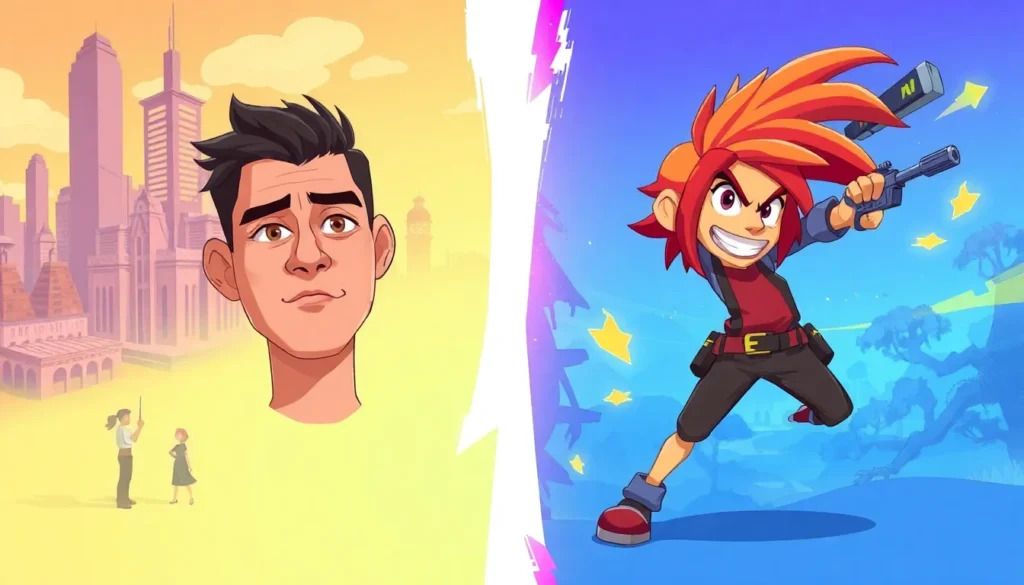
Character design manifests in various forms, catering to different narratives and audiences. Understanding the distinctions between different types enhances the creation process.
Realistic vs. Stylized Designs
Realistic designs replicate human features and proportions accurately. They often aim for authenticity in character appearance, resonating with audiences seeking relatable figures. Stylized designs prioritize exaggeration and artistic interpretation. Through unique shapes and bold colors, they capture attention and evoke specific emotions, appealing to viewers in fantasy genres. Designers choose between realistic and stylized approaches based on narrative requirements and target demographics.
Character Design for Different Mediums
Character design varies significantly across mediums like animation, gaming, and comics. Animation requires fluid designs, allowing for movement and expression that reflect the character’s personality. In gaming, designs need to be functional and visually striking, enhancing player interaction. Comics focus on striking visuals, where characters must convey emotions within static frames. Each medium presents distinct challenges and opportunities, shaping how designers develop characters tailored to engage specific audiences.
The Design Process
The design process consists of multiple stages that help create compelling characters. This process involves thorough research, sketching, and iterative refinement.
Research and Inspiration
Research acts as the foundation of character design. It involves gathering visuals, studying real-world references, and exploring existing frameworks of character traits. Inspiration can come from various sources, such as films, literature, and even personal experiences. Designers often analyze cultural elements, noting how they influence character attributes. This step ensures originality while grounding designs in relatable perceptions. Collecting reference images or creating mood boards helps visualize ideas effectively.
Sketching and Iteration
Sketching serves as a vital part of the design process. Initial sketches allow designers to express ideas quickly and explore different concepts. Experimenting with shapes, proportions, and poses leads to potential character dynamics. Iteration plays an essential role in refining these designs. Through feedback loops, artists enhance details while addressing any visual inconsistencies. Revisiting sketches enables designers to clarify concepts and solidify their character’s identity. The aim focuses on achieving a design that resonates with intended audiences while aligning with narrative goals.
Color Theory in Character Design
Color theory significantly influences character design, shaping perceptions and emotional responses. This section explores choosing color palettes and the psychological impact of colors in character creation.
Choosing a Color Palette
Selecting an appropriate color palette is crucial. Designers often consider character backgrounds, personalities, and stories when choosing colors. Color combinations should evoke desired emotions and reinforce character traits. Pastel colors might suggest innocence, while darker shades can imply mystery or danger. Attention to contrast enhances visual appeal, making characters distinct against backgrounds. Limited palettes can simplify designs while maintaining cohesiveness. Some designers utilize tools like Adobe Color or Coolors to generate harmonious palettes. Testing colors across various iterations ensures the chosen palette complements the character’s narrative effectively.
Psychological Impact of Colors
Colors evoke specific psychological responses, influencing audience engagement. Red often signifies passion or intensity, while blue conveys calmness or trust. Green typically represents nature and growth, whereas yellow can indicate optimism and energy. Understanding color symbolism can aid designers in conveying character emotions and traits effectively. Colors can also enhance storytelling by reflecting transformation or conflict. For instance, changing a character’s color scheme throughout a narrative can symbolize their evolution. Designers utilize these principles to create multifaceted characters that resonate deeply with audiences, enhancing overall narrative engagement.
Character design is a vital element that shapes storytelling across various mediums. By blending creativity with strategic choices in visual identity and emotional resonance, designers can craft characters that not only stand out but also enrich narratives. The right combination of shape, color, and personality traits can evoke powerful connections with audiences.
As designers explore different styles and approaches, they should remain mindful of the emotional journeys their characters embark on. Each design decision has the potential to deepen audience engagement and enhance the overall story experience. Ultimately, the art of character design invites continual exploration and innovation, challenging creators to push boundaries and connect with viewers on a profound level.