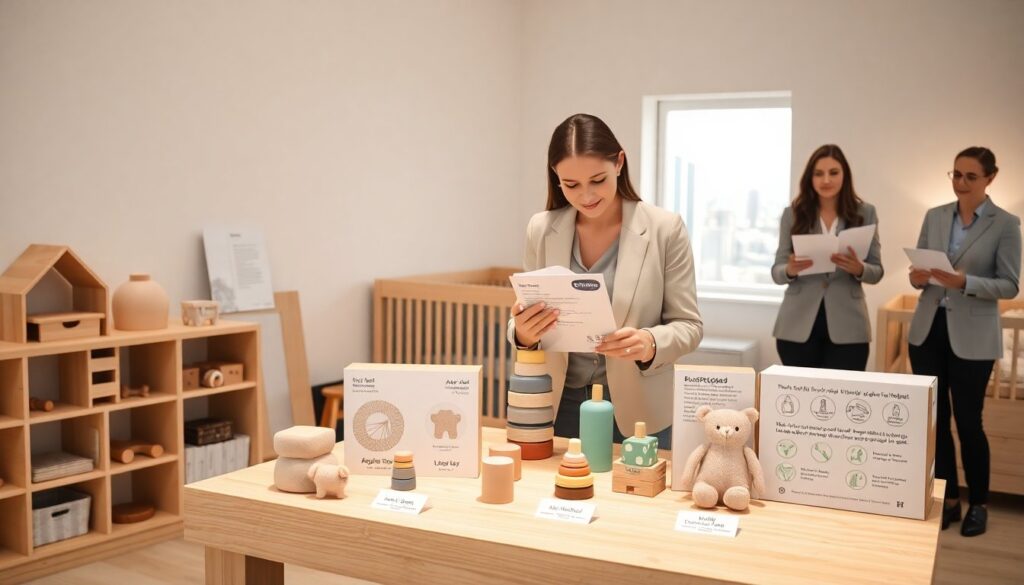
Blosspeelgoed offers playful, safe toys for children. The brand makes items for different ages and play styles. Parents read this guide to learn what blosspeelgoed is, why it matters, and how it fits daily routines. The text uses clear facts and simple advice. It helps buyers pick the right product quickly.
Table of Contents
ToggleKey Takeaways
- Blosspeelgoed offers safe, non-toxic toys designed with colorful, simple shapes that engage children’s attention and support development.
- Each blosspeelgoed toy features clear age labels and learning objectives, helping parents select products that fit their child’s skills and milestones.
- The brand emphasizes safety with ASTM or EN71 certifications, durable materials, and transparent labeling to reassure buyers.
- Blosspeelgoed provides modular toys with replaceable parts and clear maintenance instructions to ensure long-lasting play value.
- Parents can enhance value by choosing starter sets that grow with children and considering responsibly sanitized secondhand items.
- Customer support and third-party test results are readily available to assist with safety concerns and product registration.
What Is Blosspeelgoed? Origins, Styles, And Product Range
Blosspeelgoed started as a small maker of wooden toys. The company then expanded into mixed materials and fabric options. It sells puzzles, stackers, plush items, and outdoor play tools. Blosspeelgoed markets focus on safe design and playful colors. They release seasonal lines and limited sets each year. The product range includes starter toys for infants and more complex sets for preschoolers. Buyers can find themed sets that match nursery decor. Retailers and online shops list clear age labels on each blosspeelgoed item. Consumers often choose the brand for consistent build quality and clear labeling.
Key Features That Set Blosspeelgoed Apart
Blosspeelgoed uses non-toxic paints and durable joins. The design favors large grips and fewer small parts for young hands. Each toy follows simple shapes and bold contrasts to hold attention. The brand tests items for drop resistance and wear. Blosspeelgoed adds learning cues like numbers, colors, and simple stories to many toys. Packaging uses recyclable materials and clear instructions. The company offers replacement parts for some modular toys. After-sales support answers safety or assembly questions. These features help buyers see value and reduce waste.
Age Ranges And Development Benefits
Blosspeelgoed labels each toy with a clear age range. The brand separates products into infant, toddler, and preschool categories. Parents read the label to match the child’s current skills. The toys aim to support basic milestones and play milestones. Designers study child development and apply simple goals per product. Each toy lists a short learning objective on the box. This practice helps caregivers pick toys that fit abilities and interests. Blosspeelgoed often bundles items to span several months of growth.
Safety Standards, Materials, And Certifications To Look For
Blosspeelgoed lists materials on each product page and label. Look for ASTM or EN71 certification on the box. Confirm paint and dyes are labeled non-toxic. Check for secure fastenings and no loose small parts for under-three toys. Verify that fabric items show machine-wash instructions and flame-resistance info. Buyers should inspect items after unboxing and before first use. Register the toy with the maker when registration is available. Blosspeelgoed also posts third-party test results for many toys on its site. Those results help parents confirm safety claims.
How To Choose, Maintain, And Get The Best Value
Buyers match blosspeelgoed to the child’s current skills and next-step goals. Choose toys that offer adjustable difficulty or multiple uses. Read reviews and check the age label and safety marks before purchase. To maintain toys, clean them per the label and inspect joints and seams monthly. Replace worn parts or request replacements from customer service. For best value, buy starter sets that expand with modular add-ons. Consider secondhand purchase for outgrown items and then sanitize before giving them to another child. Track receipts and registrations for warranty support.