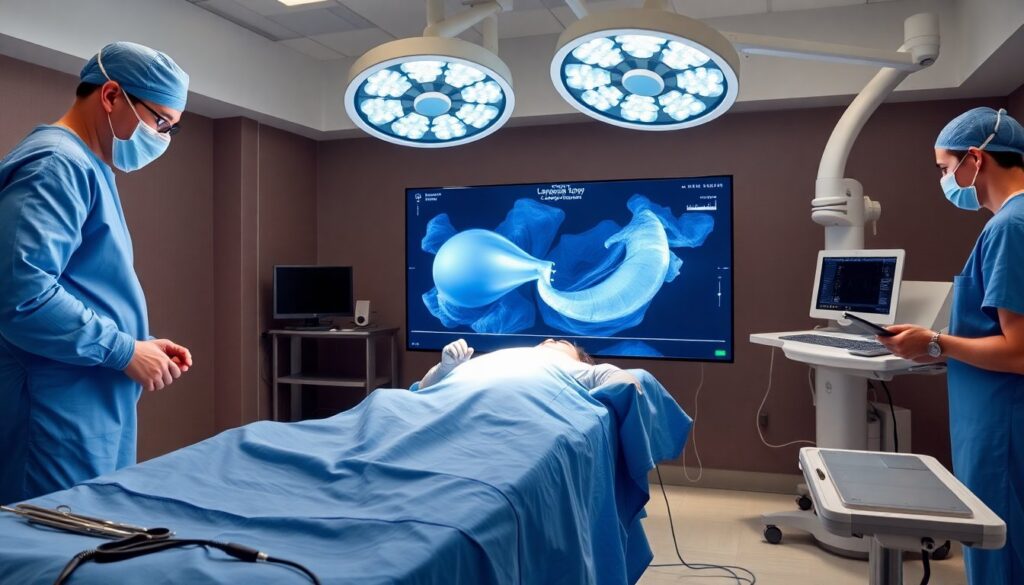
Cholsectomy is a surgical removal of the gallbladder. The term refers to operations for gallstones, inflammation, or tumors. This guide explains what cholsectomy covers, who needs it, and what to expect before, during, and after surgery. It uses clear steps and direct advice. The reader will learn about evaluation, procedure types, recovery, and common risks.
Table of Contents
ToggleKey Takeaways
- Cholsectomy is a surgical removal of the gallbladder performed mainly to treat gallstones, inflammation, or tumors.
- Laparoscopic cholsectomy is the preferred minimally invasive technique, while open cholsectomy is used when inflammation or anatomy complicates the procedure.
- Candidates for cholsectomy show symptoms like pain, fever, jaundice, or gallbladder masses confirmed by imaging and lab tests before surgery.
- Preoperative preparation includes fasting, medication adjustments, arranging home care, and following medical instructions to ensure safety and faster recovery.
- Recovery emphasizes pain control, infection prevention, diet progression from clear liquids to low-fat foods, and gradual return to normal activity.
- Common risks include wound infection, bile leak, and bile duct injury, which surgeons minimize through careful technique and imaging during surgery.
What Is Cholsectomy? Definitions, Types, And Who Needs It
Cholsectomy refers to removal of the gallbladder. Surgeons perform cholsectomy to treat gallstones, cholecystitis, or gallbladder cancer. Surgeons use two main approaches. They use laparoscopic cholsectomy for most patients. They use open cholsectomy when inflammation or anatomy prevents a safe laparoscopic approach.
Laparoscopic cholsectomy uses four small incisions. The surgeon inserts a camera and tools. The surgeon detaches the gallbladder and removes it through one incision. Open cholsectomy uses a larger abdominal cut. The surgeon removes the gallbladder through that cut and inspects nearby structures.
Candidates for cholsectomy include people with symptomatic gallstones, recurrent cholecystitis, or gallbladder polyps that exceed size thresholds. Doctors advise cholsectomy when symptoms affect daily life or when imaging shows complications. Surgeons review lab results, ultrasound, or CT scans before recommending cholsectomy.
Indications, Preoperative Evaluation, And How To Prepare
Indications for cholsectomy include pain from gallstones, fever with right upper quadrant pain, and jaundice with suspected obstruction. Doctors also recommend cholsectomy for gallbladder masses. The team orders tests before surgery. They order blood work, liver function tests, and coagulation studies. They obtain an abdominal ultrasound. They sometimes order MRCP or CT to check bile ducts.
The preoperative visit confirms medical history and medications. Patients should list blood thinners and herbal supplements. The team gives clear instructions on fasting and medication adjustments. Patients stop aspirin or anticoagulants as directed. They follow fasting rules to reduce anesthesia risk.
Preparation also covers driving, home care, and time off work. Caregivers should be arranged for the first 24 to 48 hours. Patients plan light meals and a sleeping area with easy access to a bathroom. The goal of preparation is to lower risk and speed recovery after cholsectomy.
The Procedure: Laparoscopic Versus Open Cholsectomy — Step‑By‑Step
The operating room team confirms identity and consent before cholsectomy. An anesthesiologist gives general anesthesia. For laparoscopic cholsectomy, the surgeon makes small incisions. The surgeon inflates the abdomen with carbon dioxide. The surgeon inserts a camera to view the gallbladder. The surgeon isolates the cystic duct and cystic artery and clips them. The surgeon removes the gallbladder from the liver bed. The surgeon inspects the area and closes the incisions.
For open cholsectomy, the surgeon makes a larger incision under the right rib cage. The surgeon reaches the gallbladder directly and controls bleeding as needed. The surgeon removes the gallbladder and inspects the bile ducts. The surgeon closes the incision in layers.
Surgeons sometimes perform an intraoperative cholangiogram during cholsectomy. That test involves injecting dye into the bile ducts and taking an X-ray. The test helps detect retained stones. If the team finds major bleeding or unclear anatomy, they may convert a laparoscopic cholsectomy to an open cholsectomy for safety.
Typical operative time for laparoscopic cholsectomy ranges from 45 to 90 minutes. Open cholsectomy may take longer depending on findings. The patient wakes in the recovery room and moves to a ward when stable.
Recovery, Possible Complications, And Long‑Term Outlook
Patients start recovery in the hospital or go home the same day after laparoscopic cholsectomy. Recovery after open cholsectomy usually requires a longer hospital stay. Early recovery focuses on breathing, pain control, and avoiding infection. Nurses encourage walking to lower the risk of blood clots.
Common complications after cholsectomy include wound infection, bile leak, retained stones, and bleeding. The most serious risk is injury to the common bile duct. Surgeons minimize this risk with careful dissection and imaging when needed. If a bile duct injury occurs, the team plans repair or transfer to a specialist center.
Long-term outlook after cholsectomy is good for most patients. Many people report resolution of pain and fewer digestive attacks. Some patients develop mild diarrhea after cholsectomy. Diet changes and fiber can help. Rarely, patients need further procedures for retained stones or bile duct problems.
Follow-up after cholsectomy includes a clinic visit and review of pathology if the gallbladder shows abnormal cells. The surgeon reviews wound healing and symptoms. The team gives clear signs to watch for and instructions on when to seek care.
Managing Pain, Diet, And Activity After Surgery
Pain control after cholsectomy uses nonsteroidal anti-inflammatory drugs, acetaminophen, and short courses of opioids if needed. The care team prescribes medicines and explains dosing. Patients use ice packs and position changes to ease pain.
Diet after cholsectomy begins with clear liquids. Patients advance to a low-fat diet as tolerated. Small, frequent meals help digestion. High-fat or heavy meals may cause discomfort in the first weeks after cholsectomy.
Activity after laparoscopic cholsectomy resumes quickly. Patients walk the same day and return to light work within one to two weeks. They avoid heavy lifting for four to six weeks after open cholsectomy. Driving resumes when pain is controlled and the patient no longer uses sedating pain medicines. The surgeon gives tailored advice on work and exercise after cholsectomy.