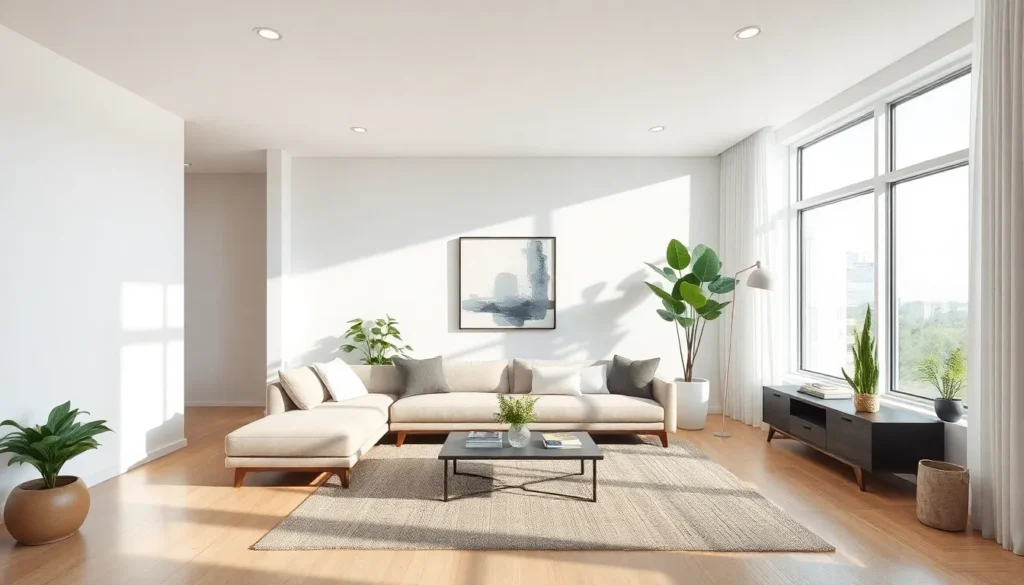
Interior design isn’t just about making a space look pretty; it’s about creating an environment that feels like home. Imagine walking into a room that instantly lifts your spirits, where every piece of furniture has a purpose and every color tells a story. That’s the magic of interior design concepts.
From minimalist chic to bohemian flair, the right design can transform a dull room into a vibrant sanctuary. It’s like giving your space a personality makeover—who wouldn’t want that? So grab your favorite mug and settle in as we explore the fascinating world of interior design concepts. You might just discover the secrets to turning your home into the envy of the neighborhood (and maybe even get a few compliments along the way).
Understanding Concepts Interior Design
Interior design concepts serve as the foundational ideas that shape a space’s atmosphere and functionality. They encompass various styles, principles, and elements that designers utilize to create cohesive and appealing interiors.
Definition of Interior Design Concepts
Interior design concepts refer to the overarching ideas that govern the layout, color scheme, and décor choices within a space. These concepts blend aesthetics and practicality, ensuring that designs not only look great but also serve their intended purposes. Concepts can include themes such as contemporary, industrial, and coastal. Each theme carries unique characteristics that influence material choices, furniture styles, and spatial arrangements.
Importance of Design Concepts
Design concepts play a crucial role in successful interior design projects. They guide decision-making, ensuring consistency across different areas of a space. By establishing a unified concept, designers create environments that enhance user experience and elevate overall satisfaction. A well-defined concept can also set the tone for functionality, influencing how individuals interact with their surroundings. In commercial settings, strong design concepts can significantly impact customer perceptions and brand identity.
Key Principles of Interior Design
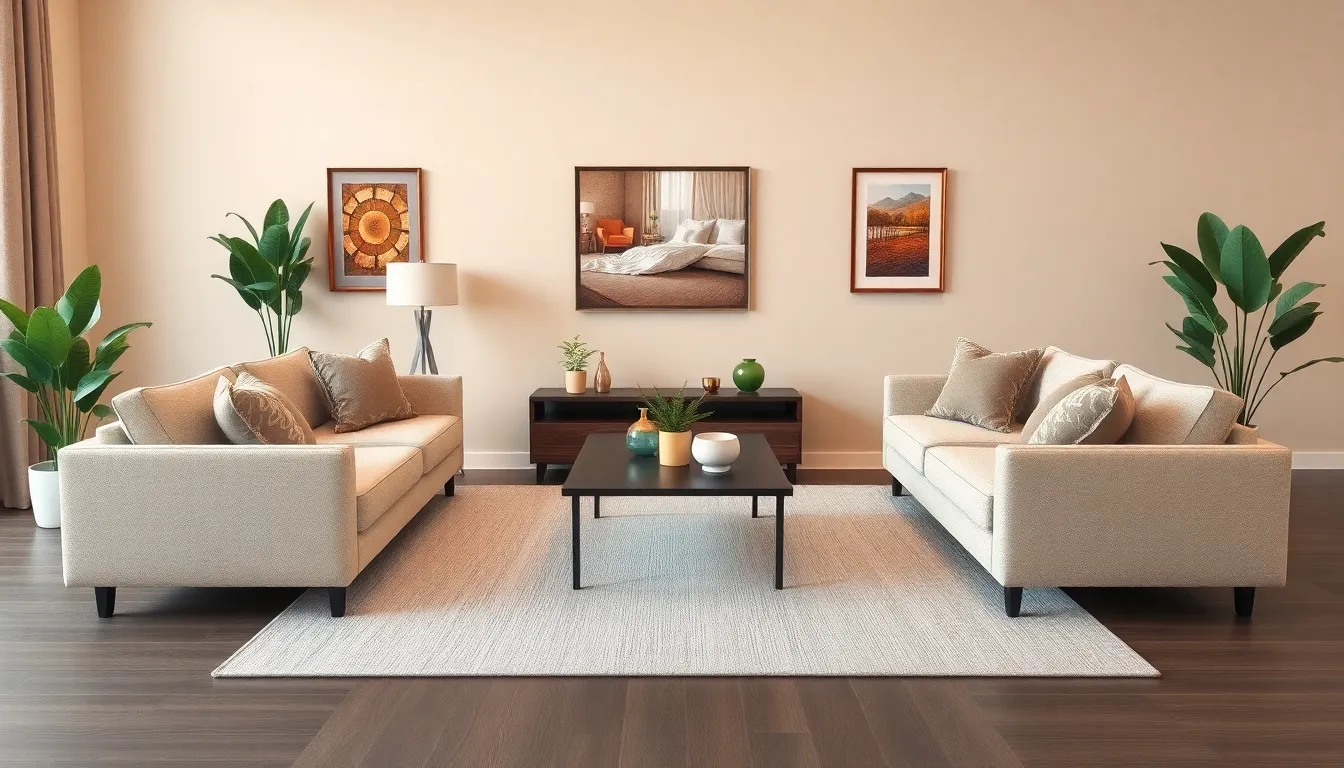
Understanding the key principles of interior design enhances both aesthetic appeal and functionality. These principles provide guidance on creating spaces that are visually pleasing and practical.
Balance
Balance refers to the distribution of visual weight in a room. Achieving balance can occur through symmetrical arrangements, where elements mirror each other, or asymmetrical arrangements, which create interest through varied sizing and placement. Designers often utilize color, shape, and texture to create balance in a space. For example, two similar-sized sofas across from each other establish symmetry, while different-sized furniture clusters can also achieve a harmonious effect.
Harmony and Unity
Harmony and unity promote a cohesive atmosphere throughout a space. Designing with a consistent color palette and complementary materials fosters a sense of connection between elements. Every piece, from furniture to textiles, should work together to create a unified look. Incorporating similar patterns or colors across different areas reinforces this principle. Designers aim for a seamless transition between spaces, ensuring that all elements feel as though they belong together, enhancing the overall experience in the environment.
Types of Interior Design Concepts
Interior design comprises various concepts that define space, embody aesthetics, and enhance functionality. Each concept caters to distinct preferences and lifestyles, offering a broad spectrum of design options.
Minimalism
Minimalism emphasizes simplicity and functionality. This design approach favors a clean aesthetic, uncluttered spaces, and a restrained color palette. Neutral tones often dominate, creating a tranquil environment. Each element in a minimalist space serves a purpose, reducing distractions. Furniture pieces feature sleek lines and understated designs, contributing to an airy feel. Natural light plays a crucial role, maximizing openness. Incorporating minimal decorative items maintains a sense of balance, allowing the space to breathe.
Maximalism
Maximalism celebrates exuberance and individuality. It embraces bold patterns, vibrant colors, and diverse textures. Layered decor, eclectic art pieces, and mix-matched furniture create a dynamic atmosphere. Personality shines through unique collections and statement items, fostering a lively environment. Designers often incorporate multiple styles, blending contemporary with vintage elements. This rich visual diversity stimulates creativity and makes the space feel personalized. Functionality remains essential, ensuring comfort within the artistic chaos.
Elements of Interior Design
Key elements shape interior design, significantly influencing a space’s atmosphere. Understanding these components enhances design effectiveness and ensures harmonious environments.
Color Scheme
Color schemes play a vital role in interior design. They influence moods and perceptions within spaces. Designers often choose colors based on the desired emotional impact; for instance, blues and greens promote calmness, while yellows and oranges evoke energy. A cohesive palette enhances visual harmony, ensuring that all colors complement each other. In addition, designers create focal points using accent colors, adding depth and interest. Choosing the right color scheme establishes an inviting atmosphere, making spaces feel more cohesive and purpose-driven.
Furniture Selection
Furniture selection directly affects both functionality and aesthetics in interior design. Pieces should align with the overall design concept and cater to the intended use of the space. For example, in a minimalist design, furniture should feature clean lines and simplicity. In contrast, eclectic styles may incorporate varied textures and patterns for added character. Comfort is equally important, ensuring that users feel at ease in their surroundings. Opting for multi-functional furniture maximizes space utilization, particularly in smaller areas. Thoughtful furniture choices enhance not only the design but also the overall user experience.
Embracing the world of interior design concepts opens the door to endless possibilities for transforming spaces. By understanding the interplay between aesthetics and functionality, individuals can create environments that resonate with their personal style and enhance their everyday experiences.
Whether opting for the simplicity of minimalism or the vibrancy of maximalism, each design concept offers unique ways to express individuality. Thoughtful color schemes and furniture choices further amplify the intended atmosphere, ensuring spaces are not only visually appealing but also comfortable and practical.
Ultimately, the right interior design concept can significantly elevate a home or commercial space, making it a true reflection of its inhabitants or brand.