Yanekayu describes a specific practice and cultural idea that people study and try today. The term yanekayu appears in several regional sources and in recent reports. This guide explains what yanekayu means, where it comes from, and how people can experience yanekayu safely in 2026. The text uses clear examples and simple steps.
Table of Contents
ToggleKey Takeaways
- Yanekayu is a cultural practice that strengthens social ties through rituals and communal events, making it relevant for identity and change in 2026.
- Understanding and respecting local rules is essential when experiencing yanekayu, including seeking permission and following safety guidelines.
- Yanekayu plays a vital role in cultural preservation, education, and community governance, influencing resource use and decision-making.
- Historical and scholarly studies highlight yanekayu’s origins, adaptations, and its function in marking time, resolving conflicts, and passing knowledge.
- Active support for yanekayu can include attending events, respecting privacy, contributing to local projects, and documenting evolving practices to keep the tradition alive.
What Yanekayu Is And Why It Matters Today
Yanekayu refers to a set of beliefs, actions, and communal activities that people use to mark identity and process change. Scholars use the word yanekayu to describe rituals, objects, and conversations that connect people across generations. Practitioners use yanekayu to remember, to teach, and to create belonging.
Researchers study yanekayu across disciplines. Anthropologists record ceremonies and daily routines that show how yanekayu operates in family life. Historians trace mentions of yanekayu in documents and oral records. Linguists analyze how the word yanekayu appears in speech and how speakers adapt the term over time.
Many people value yanekayu because it supports social ties. The practice of yanekayu often sets a shared rhythm for community events. It gives people a language for grief, celebration, and decision making. In 2026, urban and virtual communities borrow yanekayu ideas to shape online gatherings and local events.
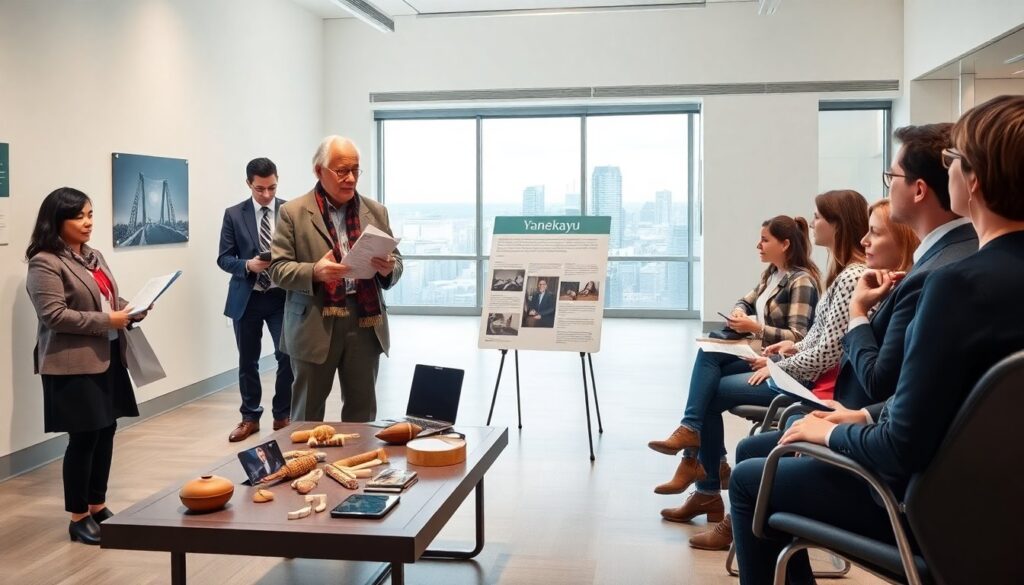
Yanekayu also matters for cultural preservation. Organizations that preserve heritage include yanekayu in exhibitions and educational programs. Museums and community centers present yanekayu alongside artifacts and recordings. This presentation helps younger people learn why yanekayu mattered to older generations.
Policy makers notice yanekayu because the practice affects resource use and local governance. When communities base meetings and voting on yanekayu patterns, officials must respect those patterns. Planners who work with communities study yanekayu to avoid conflict and to support fair participation.
Origins, Cultural Context, And Historical Uses Of Yanekayu
The origins of yanekayu lie in regional practices that date back centuries. Early references to yanekayu appear in oral histories and in early colonial records. Those references show that yanekayu began as community rituals tied to seasonal cycles and key life events.
Communities adapted yanekayu over time. Families kept core elements and changed small details to fit new conditions. For example, one village shifted yanekayu timing to match market days. Another group kept the yanekayu songs but altered the instruments that accompany them.
Historical uses of yanekayu include law making, conflict resolution, and teaching. Elders used yanekayu ceremonies to settle disputes. Leaders used yanekayu stories to pass on rules. Teachers used yanekayu plays to teach youth language and skills.
Cultural context shaped yanekayu in each region. Climate, trade routes, and neighboring groups affected how people practiced yanekayu. Where trade brought new materials, yanekayu objects changed form. Where communities faced migration, yanekayu absorbed new words and melodies.
Colonial records sometimes misrecorded yanekayu. Outsiders often used their own categories and missed local meanings. Modern historians correct those errors by listening to community storytellers and checking local records. Those corrections help people see yanekayu as a living practice rather than a static artifact.
Scholars now place yanekayu in a wider frame. They compare yanekayu to similar practices in other regions. These comparisons show common functions: yanekayu marks time, cements bonds, and passes knowledge. They also show unique local features that make each yanekayu distinct.
How To Experience, Practice, Or Access Yanekayu Safely
People who want to experience yanekayu should prepare and respect local rules. First, visitors should learn basic facts about yanekayu from community sources. They should read local guides, talk to local leaders, and listen to recordings that explain yanekayu customs.
Second, people should ask permission before taking part. Community members set the terms for participation. They may welcome hands-on involvement, or they may prefer that visitors watch and learn. People who follow local guidance show respect and build trust.
Third, people should follow safety rules that communities recommend. Yanekayu events sometimes use fire, water, or shared objects. Participants should follow directions for handling those elements. They should also stay aware of physical accessibility needs and follow any health notices.
Fourth, people should avoid recording or sharing images without consent. Some yanekayu practices involve private or sacred moments. Visitors should ask before photographing, recording, or posting. Communities may set limits to protect privacy.
Fifth, people should support local leaders and keep learning. They can donate to community projects, buy local crafts, or attend workshops that teach yanekayu skills. These actions help communities sustain yanekayu practices.
Practical steps help people find yanekayu events in 2026. Local cultural centers list yanekayu events on community calendars. Museums and universities offer classes that cover yanekayu history and practice. Online forums and local social pages list small gatherings led by community members.
People who practice yanekayu regularly should document changes. They should record dates, songs, and object uses. These records help future generations and help scholars understand how yanekayu evolves. When people keep clear notes, they keep yanekayu alive and accessible for others.