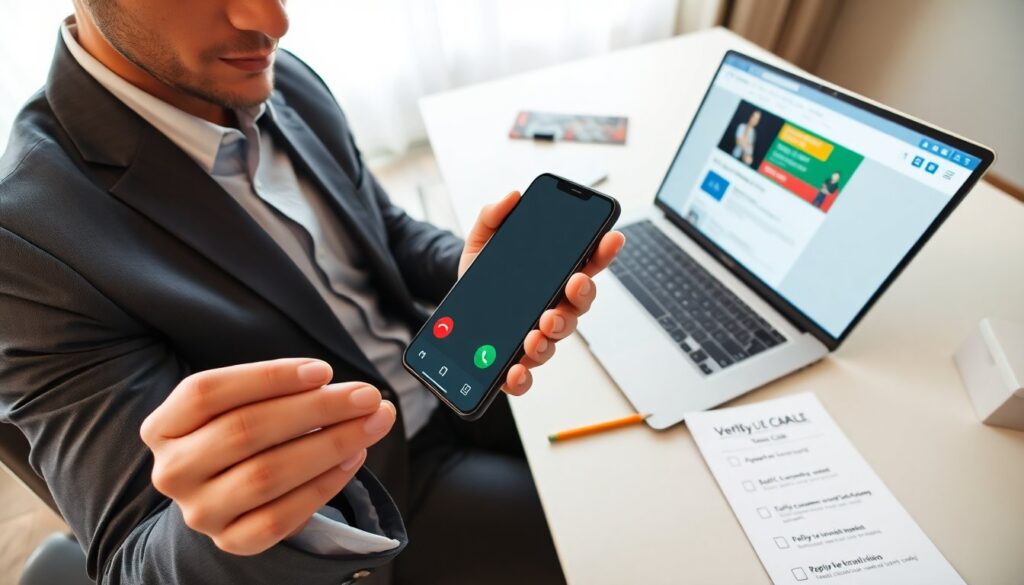
18002840293 appeared in a recent call log. The number rang the user at midday. The user wants to know who called, whether the call is safe, and what to do next. This article lists known facts, common risks, and clear actions. It gives steps to verify the caller and to block or report the number. The guidance focuses on fast, practical steps that anyone can follow.
Table of Contents
ToggleKey Takeaways
- The number 18002840293 may be used by legitimate companies or scammers, so treat unexpected toll-free calls with caution.
- Verify the caller’s identity by hanging up and calling the official company number found on their website or trusted sources.
- Avoid sharing personal or payment information during unsolicited calls, especially if pressured for quick payment.
- If you answered a suspicious call from 18002840293, document details, check financial accounts, and consider changing passwords immediately.
- Block the number on your phone and report any fraudulent activity to authorities like the FTC and FCC to help protect yourself and others.
- Prevent future unwanted toll-free calls by using spam blockers, registering on Do Not Call lists, and screening unknown callers through voicemail.
Who Typically Uses Toll‑Free Numbers Like This One
Companies use toll-free numbers for customer service and sales. Telemarketing firms use them to reach large lists. Collections agencies sometimes use toll-free numbers for outreach. Automated dialers also use toll-free numbers to reduce cost and mask local presence. Scam operations can use toll-free numbers to appear official. A legitimate firm will identify itself and offer verifiable contact details. A caller who avoids direct answers or pressures for payment likely acts in bad faith. The recipient should treat any unexpected toll-free call with measured caution.
How To Verify Caller Identity Quickly and Reliably
The recipient should hang up and call back on an official number. The recipient should check the company website for a published phone number. The recipient should search the exact digits and the string 18002840293 on review sites. The recipient should request a caller name and employee ID and then verify those details with the company. The recipient should avoid calling numbers the caller texts or emails. The recipient should use a reputable reverse-lookup service to confirm the number owner before sharing sensitive data.
Common Scams And Unwanted Uses Linked To Toll‑Free Calls
Scammers use toll-free calls to request payments or personal data. They pretend to be banks, tech support, or government agents. They pressure victims to pay via gift cards, wire transfer, or cryptocurrency. Some fraudsters use phishing links sent after the call. Robo-callers push unwanted offers or subscriptions. Spoofing can make the number look local or official. The recipient should not provide account numbers, Social Security numbers, or one-time codes. The recipient should treat unexpected payment requests as a high-risk sign.
What To Do Immediately If You Answered The Call
The person should stop sharing information at the first doubt. The person should note the caller name, time, and claims. The person should ask for a direct company line and hang up to call it. The person should check bank and card accounts for unauthorized activity. The person should change passwords if they gave login details. The person should report identity theft threats to the credit bureaus if they provided sensitive data. The person should document the call for any future reports or disputes.
How To Block, Report, And Track Calls From This Number
The user can block 18002840293 on their phone in seconds. The user can add the number to the phone’s block list or to a carrier block service. The user can report the call to the Federal Trade Commission and to the Federal Communications Commission. The user can file a complaint with the state attorney general if fraud occurred. The user can upload the number to community reporting sites to warn others. The user can contact their carrier for advanced blocking or tracing if calls persist.
Practical Steps To Prevent Future Unwanted Toll‑Free Calls
The person should register on the national Do Not Call list. The person should enable spam blocking and caller ID apps from trusted vendors. The person should avoid sharing phone numbers on public forms and social sites. The person should use a secondary number for sign-ups and sales accounts. The person should set calls to voicemail for unknown numbers and screen the messages. The person should regularly review account statements and enable two-factor authentication to reduce damage from any future breach.